
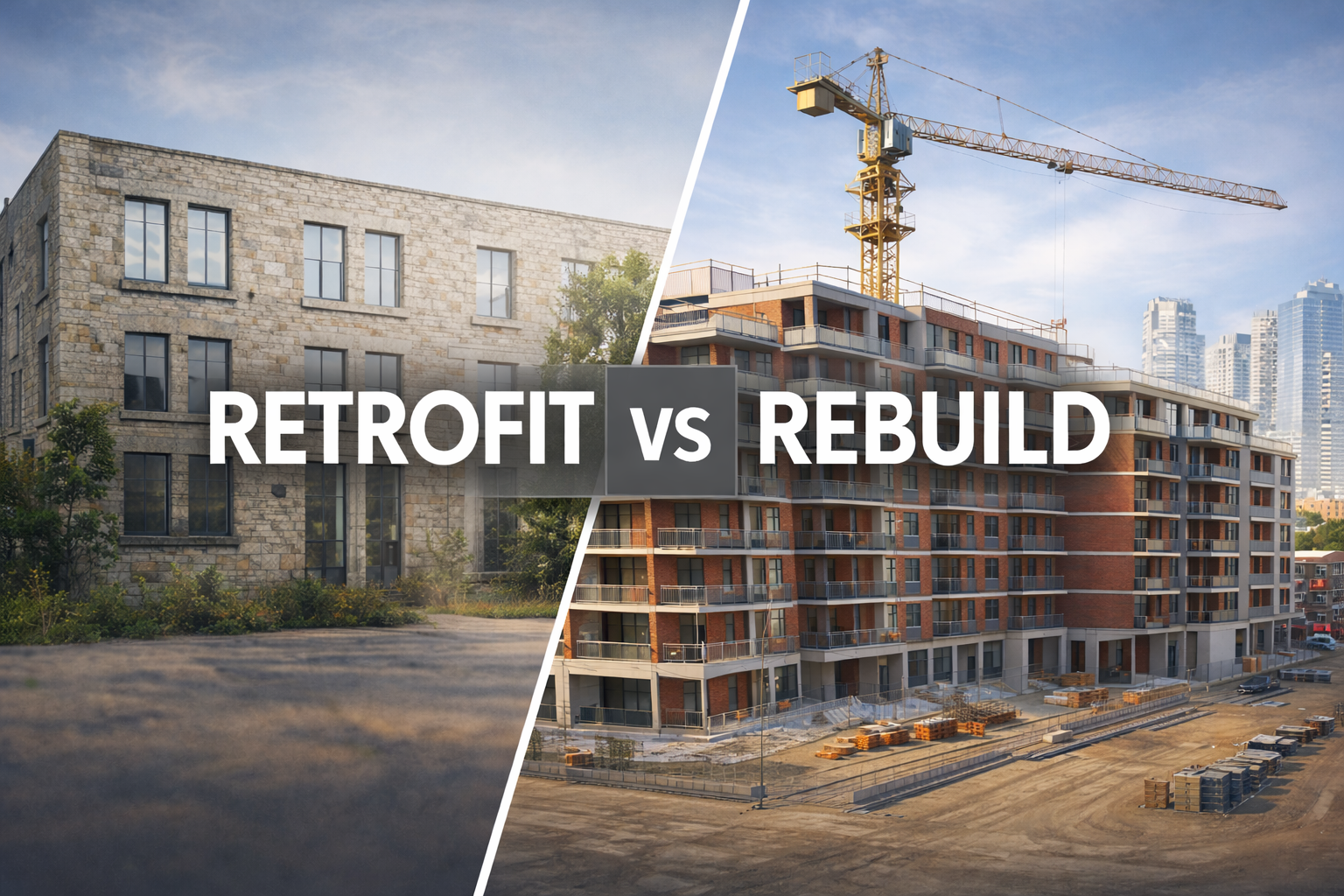
Retrofit vs Rebuild: What is the most viable option?
As sustainability increasingly intersects with commercial reality, developers are faced with a critical viability decision: does it make sense to retrofit an existing building, or to demolish and rebuild?
While environmental considerations remain important, the right answer is often, driven by cost, risk, programme, planning constraints and long-term asset value. At headoffice³, our experience delivering office-to-residential conversions and listed building refurbishments has consistently shown that when viability is properly assessed, retrofit and refurbishment can unlock significant value that is often overlooked.
Understanding Retrofitting
Retrofitting involves upgrading an existing building to meet modern standards, regulatory requirements and market expectations. In the context of office-to-residential conversion and heritage refurbishment, a typical retrofit may include:
- Upgrading heating, cooling and ventilation systems to comply with current Building Regulations Part F, L and O
- Improving insulation, glazing and fabric performance to enhance energy efficiency and thermal performance
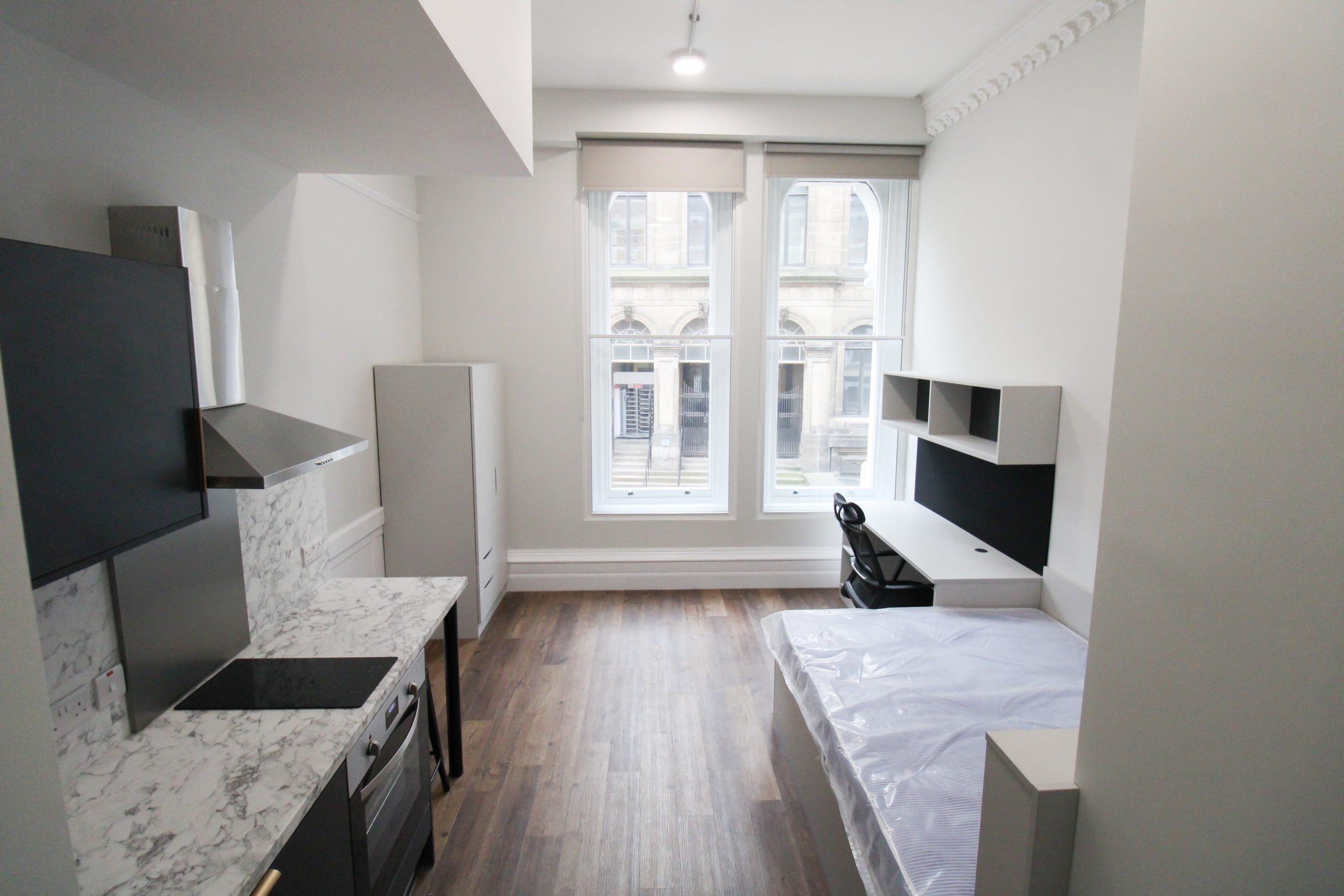
- Reconfiguring internal layouts to transform redundant offices into high-quality, compliant residential units while working within the constraints of the existing structure
Key Benefits of Retrofitting:
- Lower upfront capital exposure – Retrofitting can avoid the full costs of demolition, extensive groundworks and new structural frames helping to keep initial capital expenditure lower and improving overall development viability.
- Planning and delivery certainty – Retaining an existing structure, particularly in dense city centres, often reduces planning risk and programme uncertainty. This is especially relevant where buildings have listed elements, are located in a conservation area or have a significant contribution to the street scene.
- Faster route to value – Retrofit and conversion schemes often have shorter programmes than new builds, allowing earlier occupation or sale which improves cash flow and return timescales.
- Embodied value retention – Existing buildings represent a significant investment in materials and carbon. Retrofitting capitalises on that embedded value rather than writing it off through demolition, aligning commercial outcomes with sustainability objectives.
Viability Challenges to Manage:
- Structural and layout constraints – Existing column grids, floor-to-ceiling heights and load capacities can limit design efficiency and require careful technical resolution.
- Unknown building conditions – Asbestos, legacy services and concealed structural defects can affect cost certainty and must be managed through robust surveys and contingency planning.
- Heritage or conservation requirements – Listed building status or conservation policies may restrict alterations, requiring sensitive design solutions and close coordination with planning authorities.
Case Study: Chaucer Court | Bromley
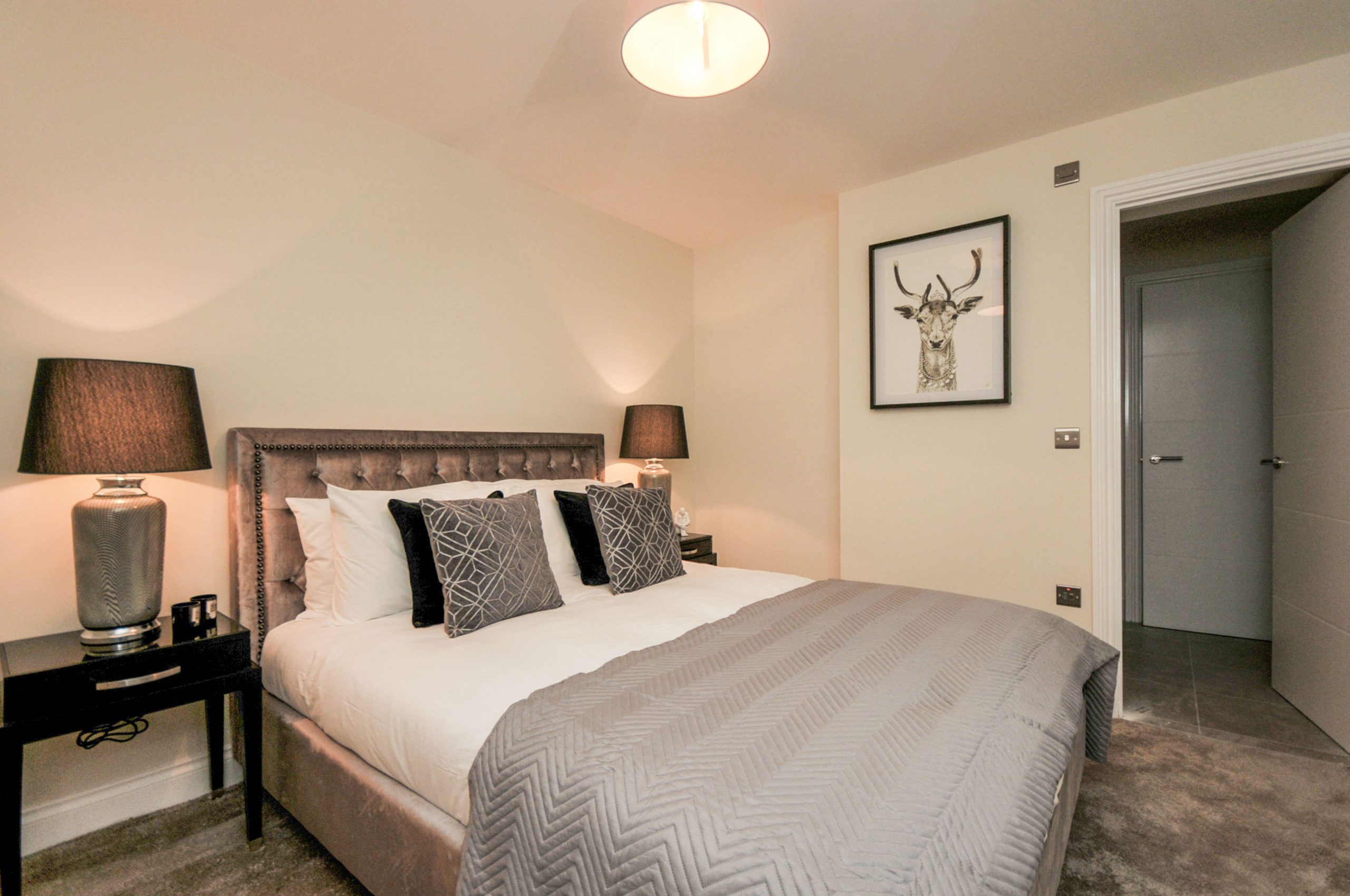
A clear example of viability-led refurbishment is our work at Chaucer Court, Bromley. Faced with a constrained, partially occupied site, demolition and rebuild were neither practical nor commercially viable.
By retaining and working within the existing building frame, we avoided the significant costs and programme risk associated with demolition and reconstruction, while maximising the client’s gross development value through intelligent design. Challenging space constraints and limited access to external daylight were addressed through innovative solutions, including the use of sun tubes to introduce natural light into bedrooms where traditional windows were not possible under the existing layout. This approach enabled additional compliant residential units to be delivered demonstrating how considered refurbishment projects can unlock value, overcome constraints, and deliver highly viable outcomes without the need for rebuild.
Considering a Rebuild
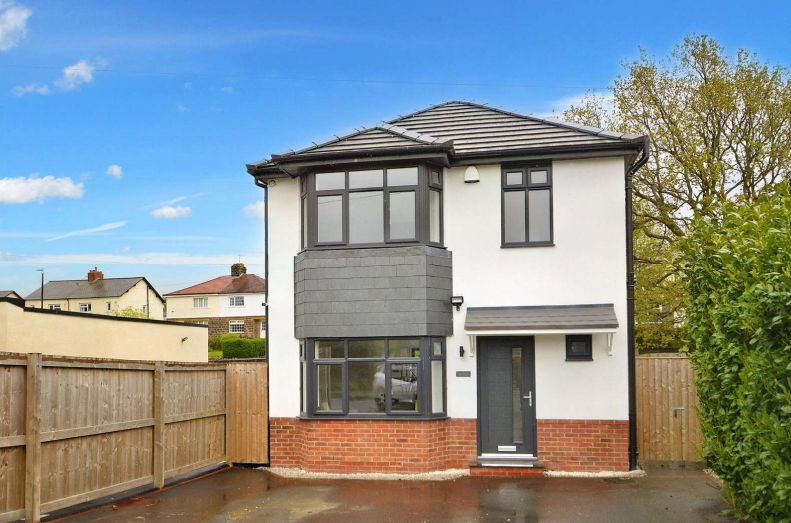
Rebuilding offers a clean slate and, in some circumstancess, it is the most viable solution.
Advantages of rebuilding:
- Design efficiency and net-to-gross optimisation – New builds allow layouts to be designed from first principles, maximising saleable area which can improve the scheme’s value.
- Lower long-term operational risk – Modern construction methods such as prefabrication or modular building, can reduce future maintenance liabilities and withstand future legislation changes.
- Clear compliance with Building Regulations – New buildings are designed and constructed to meet the latest Building Regulations and standards without the compromises sometimes required in retrofit schemes.
Drawbacks to Consider:
- Higher upfront capital costs – Demolition, waste removal, and new construction materials significantly increase initial expenditure.
- Longer development programme – Extended planning, demolition and construction phases can delay returns.
- Greater planning and delivery risk – Particularly in high-density or trafficked urban areas, rebuild proposals may face increased security and objection.
In practice, our experience has shown that rebuild options are frequently explored but rarely chosen, as retrofit and refurbishment solutions consistently prove more viable for our clients. This is reflected across our portfolio of completed projects.
Making the Right, Viable Decision
At headoffice³, we take a case-by-case approach. Too often, retrofit schemes are dismissed to early, despite offering strong commercial returns intelligently designed and properly costed.
Key viability considerations include:
- Structural condition and adaptability of the existing building
- Planning risk and policy context
- Capital expenditure versus programme length
- Long-term operational and maintenance costs
- Market demand and exit strategy
- Opportunities to retain value through reuse rather than replacement
By balancing these factors, developers can make informed decisions that deliver commercially sound and environmentally responsible outcomes.
headoffice³ supports clients from concept to completion providing technical expertise, feasibility studies and design insight to ensure that the most viable solution is most viable solution is identified, justified, and delivered.