The 1.5 Million Home Illusion: Why Targets Don’t Fix a Housing Crisis
Labour came into government promising urgency.
1.5 million new homes in five years.
That’s 300,000 homes a year — the figure politicians of all colours have chased for decades.
Ambitious? Yes. Deliverable? Increasingly doubtful
As we move into year two of Labour’s leadership, the uncomfortable reality is this: headline targets don’t build homes. Delivery does.
And delivery is exactly where the system keeps failing.
The Housing Minister Revolving Door
The UK’s housing brief has long suffered from political instability. Over the past decade, housing ministers have come and gone at a pace that makes meaningful reform almost impossible.
The current Minister of State for Housing and Planning, Matthew Pennycook, has now been in post since 2024 — longer than many of his predecessors. But the damage of years of churn before him is hard to reverse overnight.
Housing policy requires long-term strategy, cross-department coordination, and sustained political backing. Instead, it has too often been treated as a stepping stone role — reshuffled before reforms embed and before delivery systems mature.
When leadership resets every 9–12 months, industry confidence collapses. Investors pause. Developers hesitate. Local authorities stall.
The housing shortage doesn’t.

The Numbers Don’t Lie
Labour’s commitment to 1.5 million homes was clear.
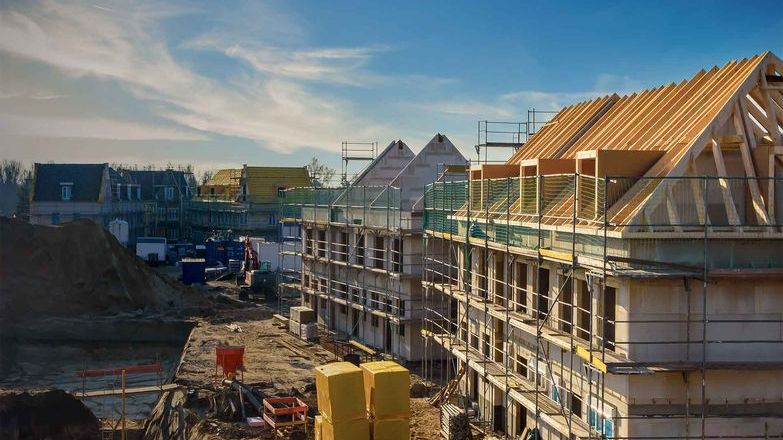
But since taking office, new housing starts have fallen sharply; dropping from over 200,000 annually to around 139,000, the lowest level since the pandemic. According to reporting by the BBC News, housebuilders are already warning the government is likely to miss its target.
Even if 300,000 homes per year were achieved (and that remains a big “if”) it still wouldn’t fully address:
- Years of under-supply
- Population growth
- Changing household sizes
- Regional imbalances
- The affordability crisis
And that’s before you consider delivery bottlenecks, viability constraints, skills shortages, and planning delays.
So let’s ask the uncomfortable question: Is chasing 300,000 new builds a year actually the right strategy?
The Build-Our-Way-Out Myth
The UK has become politically fixated on new build numbers. Fields. Green/Grey belts. Volume housebuilders. Repeat.
But what if the solution isn’t just about building more — it’s about using what we already have?
Across the UK, vast amounts of office space remain underutilised. While some predict a gradual return to traditional working patterns, the structural shift in demand is undeniable. Even reports suggesting fuller office occupancy by 2027 highlight significant vacancy across major cities today.
At the same time, we face one of the worst housing shortages in modern history. The contradiction is glaring. Empty offices. Full housing waiting lists. Yet policy discussion continues to prioritise new build targets over strategic repurposing.
Unlocking Supply Without Pouring More Concrete
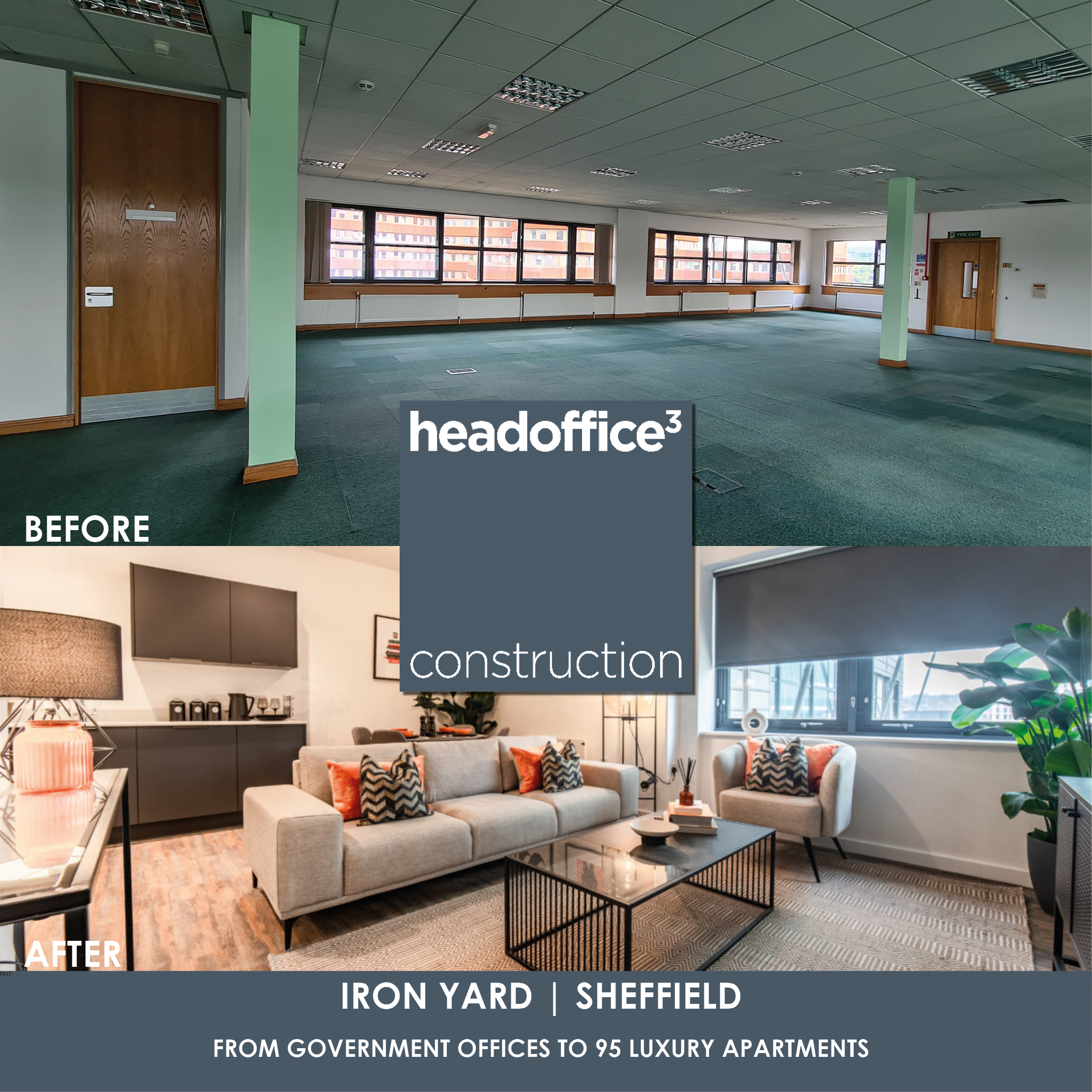
Refurbishment and office-to-residential conversion are not fringe solutions. They are pragmatic, faster-to-deliver interventions that:
- Repurpose existing infrastructure
- Reduce embodied carbon compared to demolition and rebuild
- Revitalise town centres
- Unlock value in stagnant commercial assets
- Deliver housing without waiting years for greenfield planning battles
For landlords and investors holding vacant office stock, the question isn’t ideological — it’s financial.
How long can capital sit idle?
How long can void rates absorb yield?
How long can policy promises be trusted to lift commercial demand back to pre-2020 levels?
While government debates 300,000 homes a year, there are thousands of units that could be delivered through smart conversion — often more quickly and with less political resistance.
Planning Reform Is Coming… But It’s Not a Silver Bullet
The government is pushing through planning reform and updates to the National Planning Policy Framework, with more technical changes — including Biodiversity Net Gain adjustments — evolving through 2026.
These reforms deserve proper scrutiny (and we’ll be unpacking them in a follow-up blog).
But reforming planning alone does not solve viability, market confidence, or delivery speed. Targets don’t create capacity. Announcements don’t pour foundations.
And without sustained leadership stability and policy clarity, the system continues to stall.
A Different Way Forward
The housing crisis won’t be solved by political slogans or annualised targets. It will be solved by:
- Stable leadership
- Long-term strategy
- Smarter use of existing assets
- Partnership with private sector expertise
- Pragmatic thinking over ideological posturing
For investors and landlords holding vacant office properties, this isn’t just a policy debate — it’s an opportunity. Office-to-residential conversion isn’t a compromise. It’s a strategic pivot.
At headoffice3, we specialise in transforming underperforming commercial space into high-quality residential communities — unlocking value while contributing meaningfully to housing supply.
If your office asset isn’t delivering, it doesn’t have to remain a liability.
The housing shortage isn’t slowing down.
And neither should your capital.